
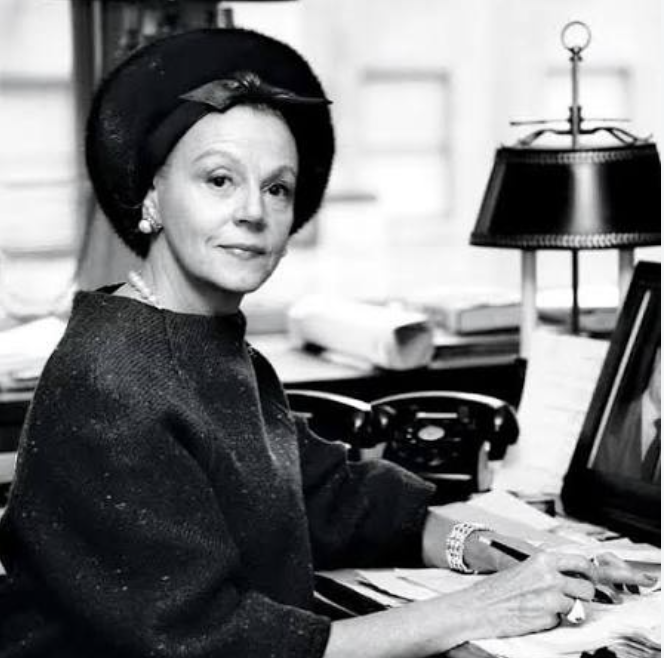
Photo Credit: Associated Press (AP Photo)
A world without New York Fashion Week is difficult to imagine. For that, we have Eleanor Lambert to thank. Widely regarded as the Empress of Seventh Avenue, the pioneering publicist helped transform New York into an international fashion capital and laid the groundwork for one of the industry’s most influential events.
But Lambert’s legacy extends far beyond the runway. A master of strategic communications, she understood that publicity could do more than generate attention. It could shape perception, establish prestige, and influence an entire industry. Through strategic media relations, carefully orchestrated events, and an unwavering belief in American design, Lambert helped elevate American fashion from the shadows of Parisian couture to the international spotlight.
Her greatest achievement wasn’t simply making designers famous, but making American fashion matter.
Born in Crawfordsville, Indiana, in 1903, Lambert began her publicity career in the art world before turning her attention to fashion. At the time, Paris was widely regarded as the center of the fashion universe. French couturiers enjoyed international prestige, while American designers often worked behind the names of manufacturers and department stores, receiving little individual recognition for their creations.
Lambert saw an opportunity to change that. Drawing on her experience promoting artists, she approached American fashion designers as creative talents worthy of recognition in their own right. Rather than letting manufacturers dominate the conversation, she encouraged journalists and fashion editors to recognize the people behind the clothes. Through carefully cultivated media relationships and strategic storytelling, Lambert helped introduce American designers to the public as artists, innovators, and personalities. An early masterclass in brand positioning, she wasn’t simply promoting clothes, but building the reputation of American fashion, one designer at a time.
In 1943, as World War II disrupted the European fashion industry and made travel to Paris difficult, Lambert recognized an extraordinary opportunity for New York.
Her solution to the madness was what she called Press Week. The event brought fashion journalists together to view collections from American designers through a coordinated series of presentations. Rather than competing individually for editorial attention, designers now had a dedicated platform that placed American fashion at the center of the conversation. Press Week would eventually evolve into what we know today as New York Fashion Week.
The brilliance of Lambert’s strategy went beyond organizing a series of fashion shows. Understanding the importance of creating a newsworthy occasion, Lambert didn’t wait for journalists to discover American designers. Instead, she gave the press a compelling reason to pay attention. By creating an event, she established a narrative and positioned New York as a destination for fashion coverage. The same principle remains relevant to modern public relations. From exclusive press previews and product launches to experiential campaigns and industry events, it’s all publicity by design.
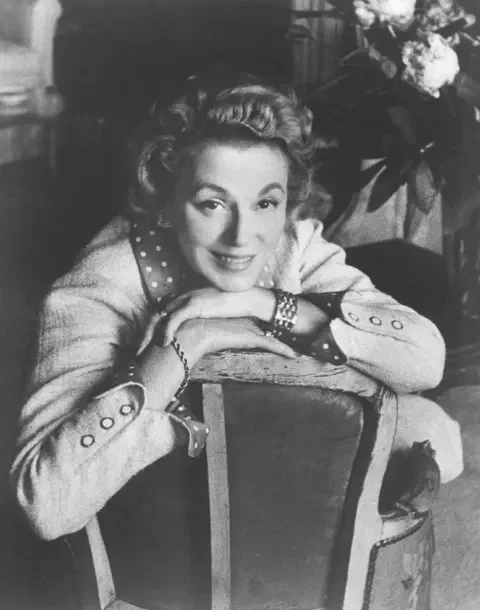
Photo Credit: Getty Images
Though visibility was a strong part of Lambert’s strategy, she also understood that American fashion needed prestige. So in 1940, she established the International Best-Dressed List, recognizing individuals whose personal style captured public attention. Two years later, she introduced the Coty American Fashion Critics’ Awards, celebrating outstanding achievements in American fashion design. Both initiatives helped elevate the industry’s reputation.
The Best-Dressed List connected fashion with celebrity, society, and aspiration, while the Coty Awards gave designers a prestigious platform for professional recognition. Together, they created publicity while reinforcing the idea that American fashion deserved to be celebrated. Lambert understood that influence wasn’t simply about being seen. It was about being regarded as important. Through awards, influential lists, and relationships with the fashion press, she helped establish the cultural authority that American designers needed to compete on an international stage. In modern public relations, the strategy is familiar: build credibility, cultivate influential relationships, and create opportunities for meaningful recognition. Lambert was doing all three.
Extending her influence beyond individual designers and publicity campaigns, she founded the Council of Fashion Designers of America, better known as the CFDA, in 1962. The organization provided American designers with a collective voice and a platform dedicated to advancing their interests, promoting their work and strengthening the fashion industry’s standing. Lambert also helped establish the Costume Institute’s annual fundraising event at the Metropolitan Museum of Art in 1948, an occasion that would eventually become the Met Gala.
Today, both the CFDA and the Met Gala remain influential institutions within the fashion world. Their longevity reflects one of Lambert’s greatest strengths as a public relations strategist: she understood the value of creating platforms that could sustain attention long after an individual campaign had ended. A press placement might introduce a designer to the public, and an award could establish the brand’s credibility, while an enduring institution could shape an industry’s reputation for generations.
Essentially, Lambert was building infrastructure for influence. More than eight decades after the introduction of Press Week, Lambert’s approach to public relations remains remarkably relevant. Her career offers several lessons for today’s communications professionals. Lambert recognized that American fashion needed a distinct identity before it could command international attention. She helped establish that identity by presenting designers as creative authorities rather than anonymous manufacturers.
By the time Eleanor Lambert died in 2003 at the age of 100, American fashion had become a formidable international force. New York had secured its position alongside Paris, Milan and London as one of the world’s leading fashion capitals, and American designers had achieved global recognition, while the institutions Lambert helped establish continued to shape the industry’s cultural influence. Of course, American fashion’s rise was the collective achievement of countless designers, editors, manufacturers and business leaders. But Lambert played an extraordinary role in changing how the world perceived their work.
Understanding that public relations could do more than generate headlines, secure press placements or promote a collection, she created prestige and established cultural relevance, transforming the reputation of an entire industry.